Skip to content





Description
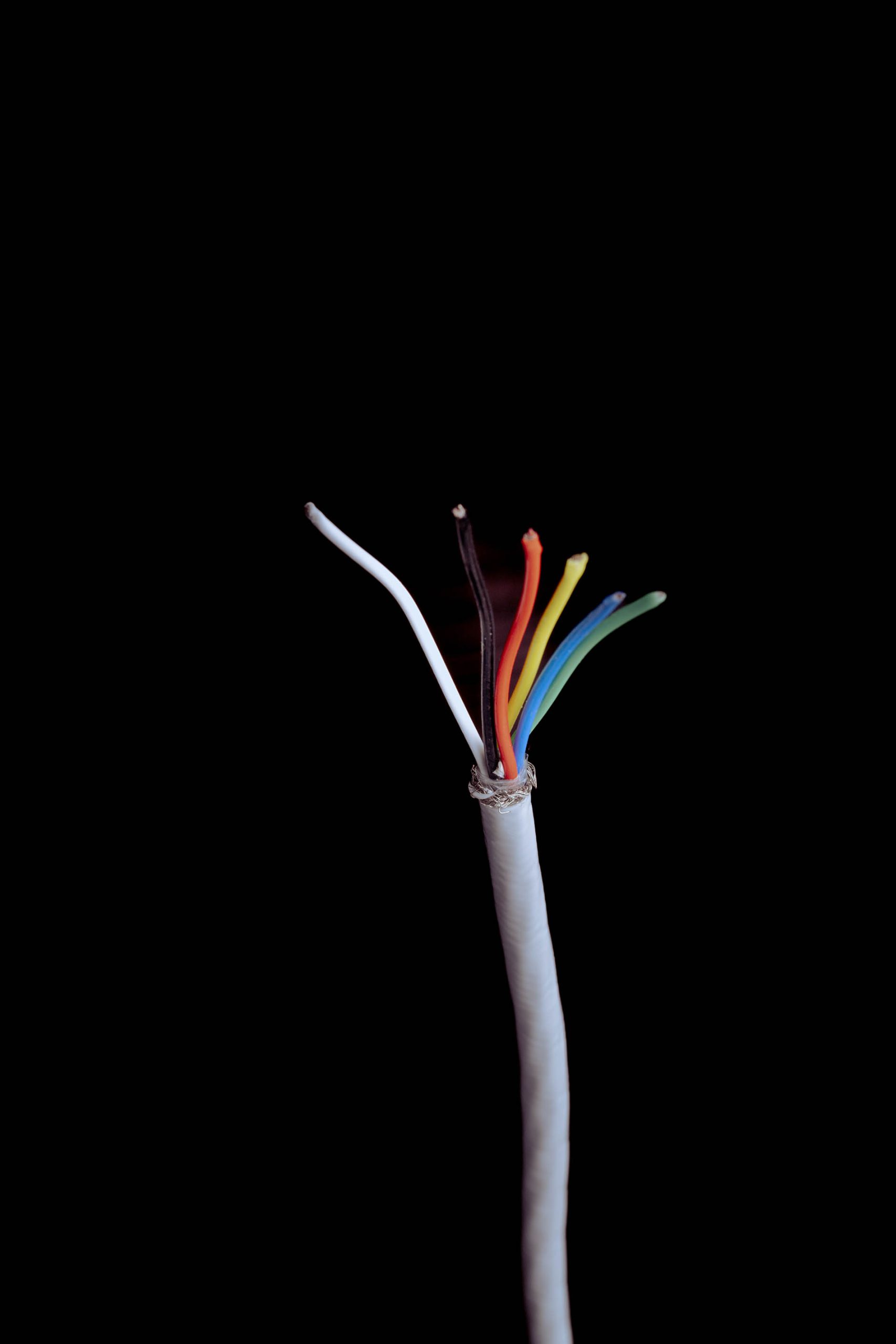
Our high-performance cable boasts a robust cross-linked extruded Tefzel outer jacket, Tefzel conductors, and a choice of 14, 16, 20, or 22 AWG drain wire expertly attached to the braid. This exceptional cable is specially designed for various demanding applications.
Ideal Uses:
- Motorsport Electronics
- Airframe Systems
- Shipboard Equipment
- Missile Technology
- Avionics Systems
Tefzel® is a modified ETFE (ethylene-tetrafluoroethylene) fluoropolymer, available in pellet or powder form for rotational moulding. Tefzel® excels in both mechanical toughness and chemical inertness, approaching the remarkable qualities of Teflon® fluoropolymer resins. With its ease of processing, a specific gravity of 1.7, and exceptional resistance to high-energy radiation, Tefzel® is an outstanding choice. Most grades of Tefzel® can endure continuous exposure at 150°C (302°F), based on the 20,000-hour criterion.
Tefzel® ETFE fluoropolymer resins can be processed using conventional melt-extrusion techniques and various moulding processes, including injection, compression, transfer, rotational, and blow moulding. These resins offer a relatively high flow rate, resulting in higher rates with less draw-down compared to those required for Teflon® FEP and PFA. For processing, it’s recommended to use reciprocating screw injection moulding machines and long extruder barrels relative to diameter to provide adequate residence time for melting these high-temperature resins. What sets this material apart is its unique crosslinking process, which creates strong bonds between the ETFE polymers, resulting in a material with enhanced strength and a higher temperature rating.
Applications:
- Insulation and covering for wires and cables
- Coating of flaps and pumps
- Production of lab utensils
- Components for electromechanical systems
- Products shaping and extruded tubes
Advantages:
- Superior strength compared to standard Tefzel
- Resistance to cold flow and abrasion
- Enhanced resistance to radiation effects
Disadvantages:
- Some Tefzel insulations may not meet flammability requirements in a 30% oxygen environment.
- Less flexible than extruded Tefzel
- More challenging to work with than PTFE Teflon